
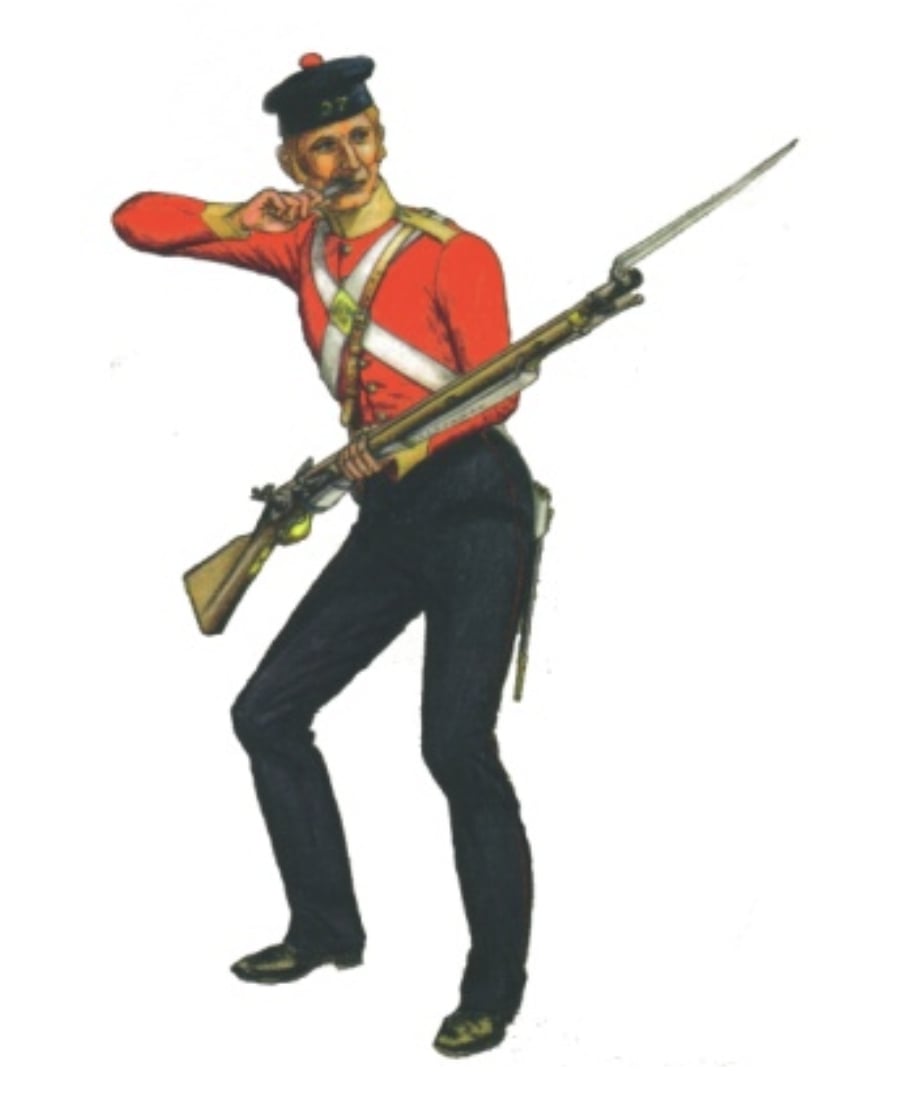
John Fahey was a labourer from Co Galway, born in 1814. He enlisted, aged 20, in the 27th Regiment of Foot in 1834. He was 5 feet 9 inches tall, with a brown complexion, brown hair and brown eyes. He had a wife and children. One source says that his family was from Co. Clare, where they were well known thieves, and most were transported.
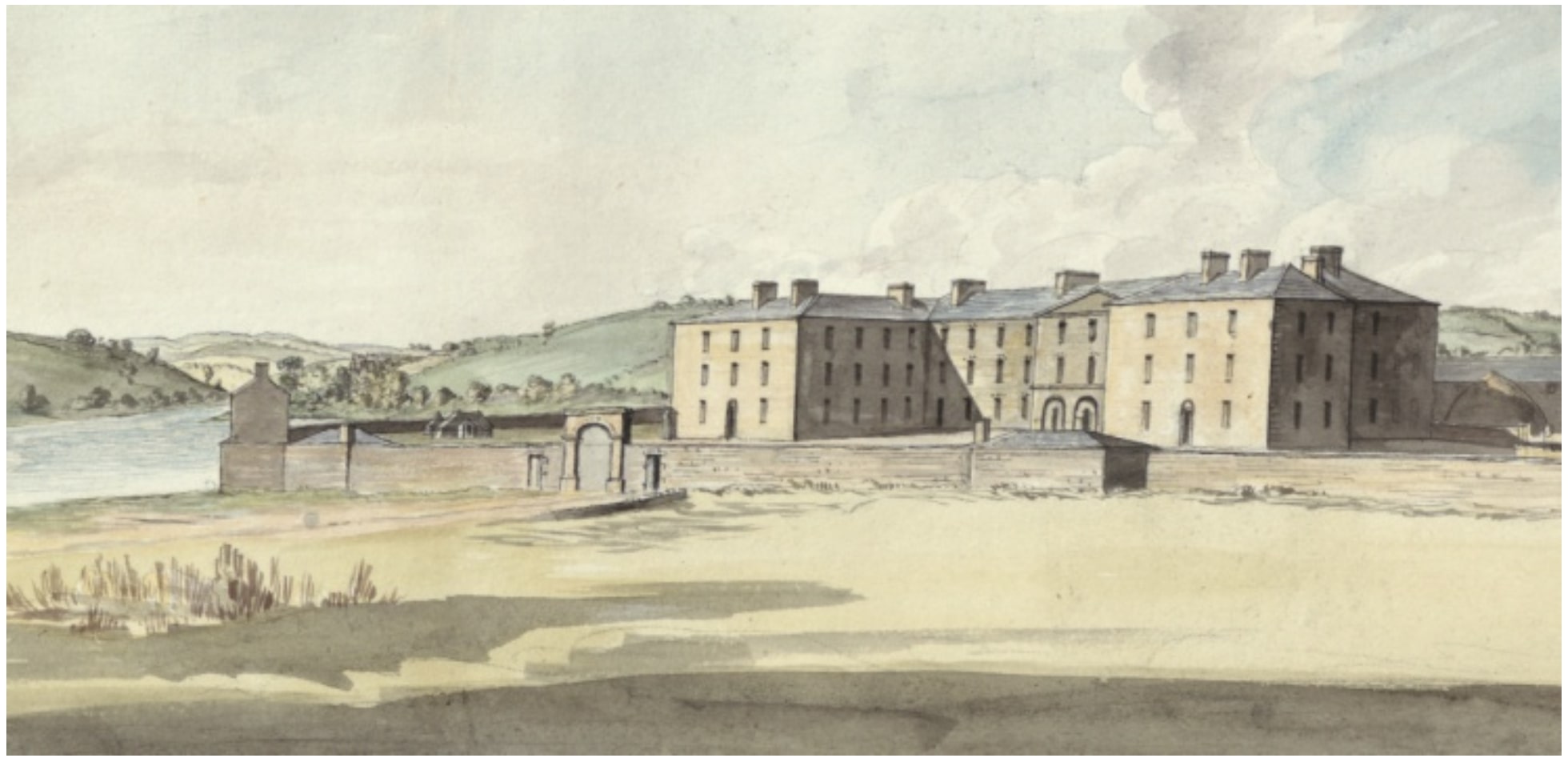
In 1831, after seven years in the West Indies where it had a shockingly high death rate, the regiment was stationed in Ireland, in a number of locations between Cork and Limerick. There would have been an intensive recruiting campaign to make up numbers. It then spent a year in Enniskillen, 1833-34. Detachments were in various places in the neighbourhood. Head Quarters were probably in the New Barracks in Enniskillen, built in the 1790s.
In May 1835, the regiment, 540 strong, embarked at Cork for South Africa, arriving in August, where British forces were engaged in campaigns against the Xhosa peoples of the Eastern Cape Province in wars known as the Kaffir or Cape Frontier wars. They were defending their lands against encroaching European settlers. These wars lasted nearly 100 years involving the Xhosa against both Dutch settlers and the British army.
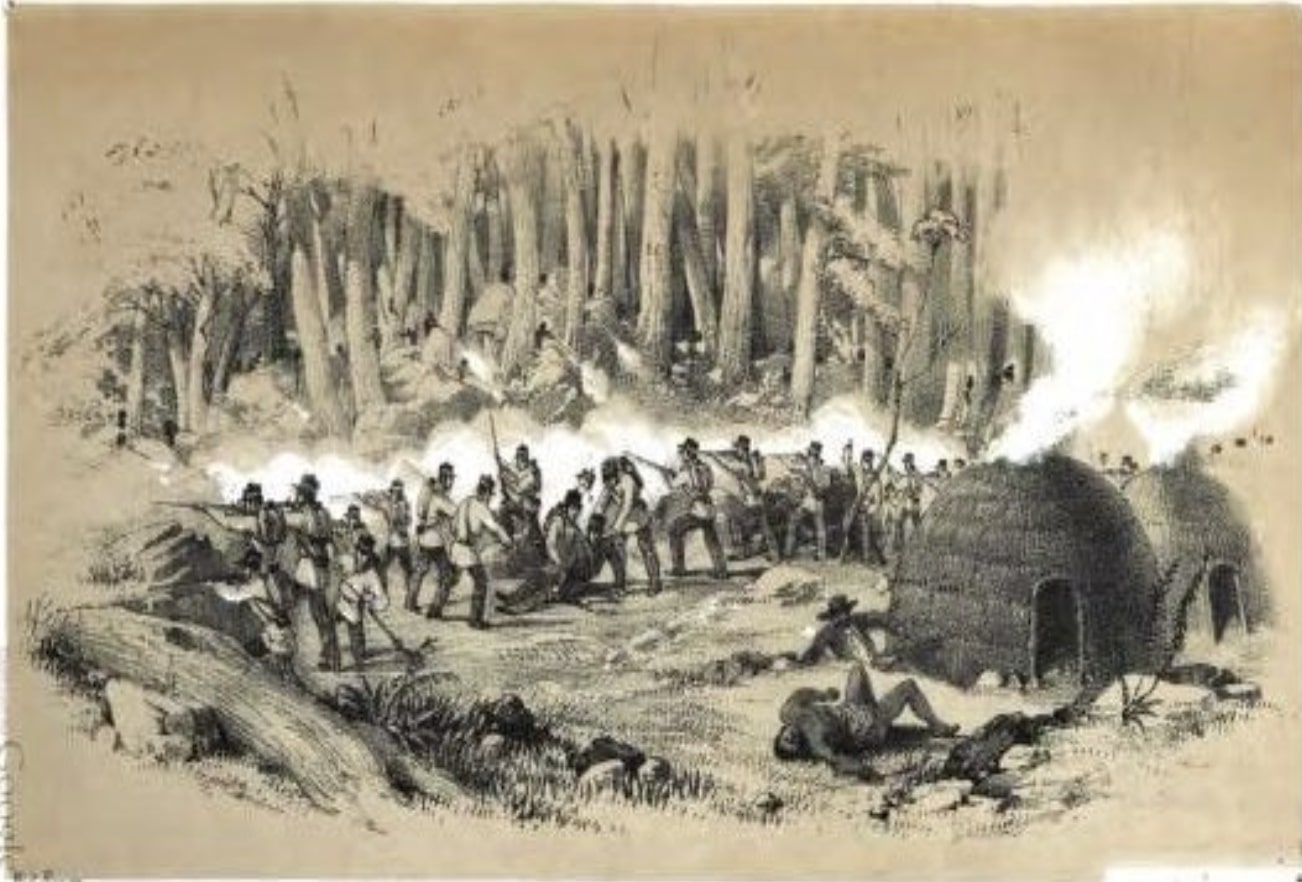
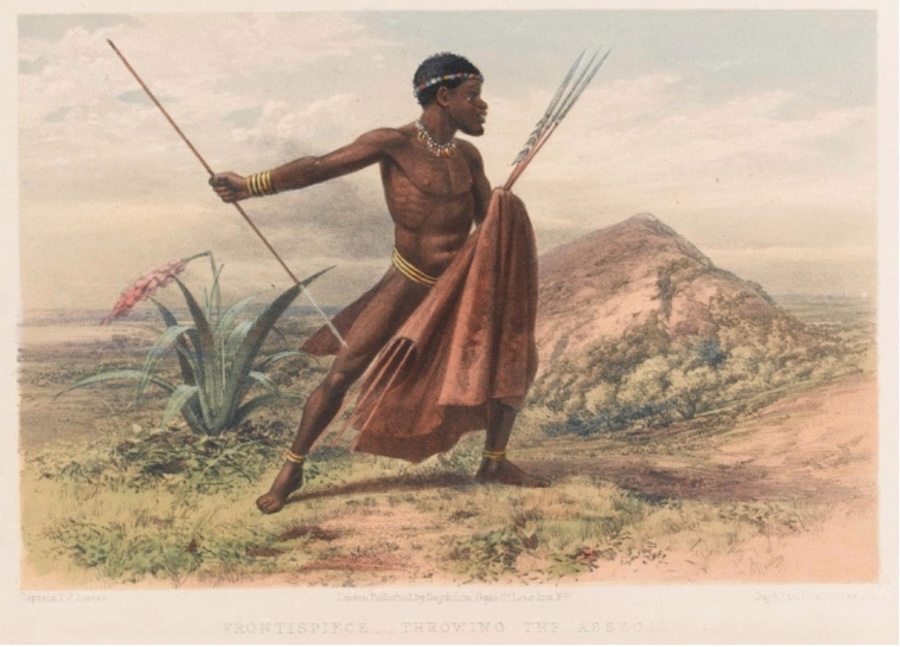
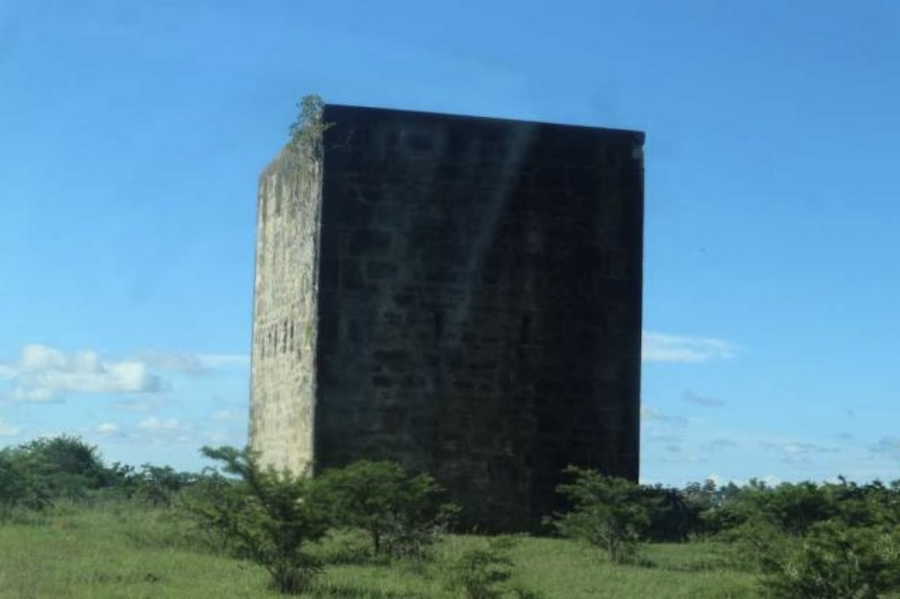
As well as being involved in punitive expeditions against the Xhosa, the regiment was posted to frontier duty where small detachments occupied blockhouses on the frontier. This was to protect settlers from raids by the Xhosa. Conditions for the soldiers in the frontier posts were unpleasant and very tedious. Posting lasted two to three months at a time.
Within a few months of arriving, John Fahey was sentenced by court martial in Cape Town to one month’s solitary for being drunk on guard.
Below is a contemporary account of the appearance of 27th soldiers after some time on the frontier in East Cape.
Though written in 1847, it could very well describe John Fahey after a few months on campaign or living in a blockhouse.
“His grim visage, now shadowed by moustache and beard, weather-beaten by rain and wind, by sun and dew, had assumed the appearance and apparently the consistence of old well-seasoned oak. The once bright scarlet of Britain’s blood-red garb was sadly sobered down to dark and dingy maroon, whilst the nether garments, well patched and strapped with leather, bore evidence to the hard service they had undergone, and showed but few signs of the material of which they had originally fashioned.”
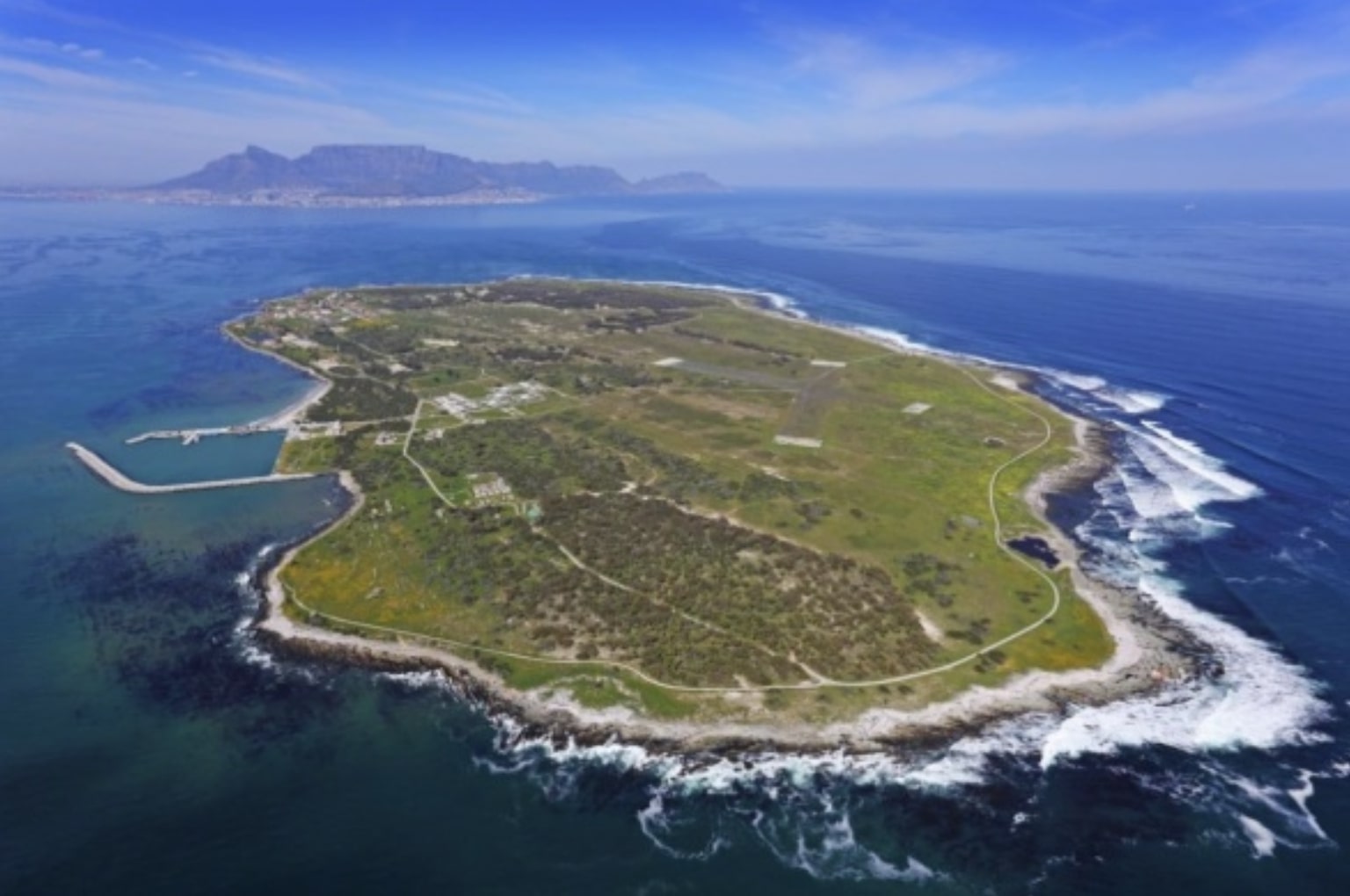
In 1837, the regiment returned to Cape Town, with some detachments in Grahamstown, and it was then when John Fahy deserted. He was captured, tried by court martial in July 1837 in Grahamstown for desertion and sentenced to transportation for life to Australia. He was sent to a prison on Robben Island, Table Bay, Cape Town, for a year awaiting transportation. During that time, a petition on behalf of his wife Bridget and family, was sent to Queen Victoria, pleading for her prerogative of mercy because the family was so poor. “… a poor desolate and unprotected female with a small family rendered almost destitute of any means of support…” The military authorities in London turned it down as he “was not a fit object for merciful consideration”. Other military convicts were also assembled there. In July 1838, along with 19 other military convicts, he was put on board a convict ship, Clyde, which was on passage from Dublin to Australia.
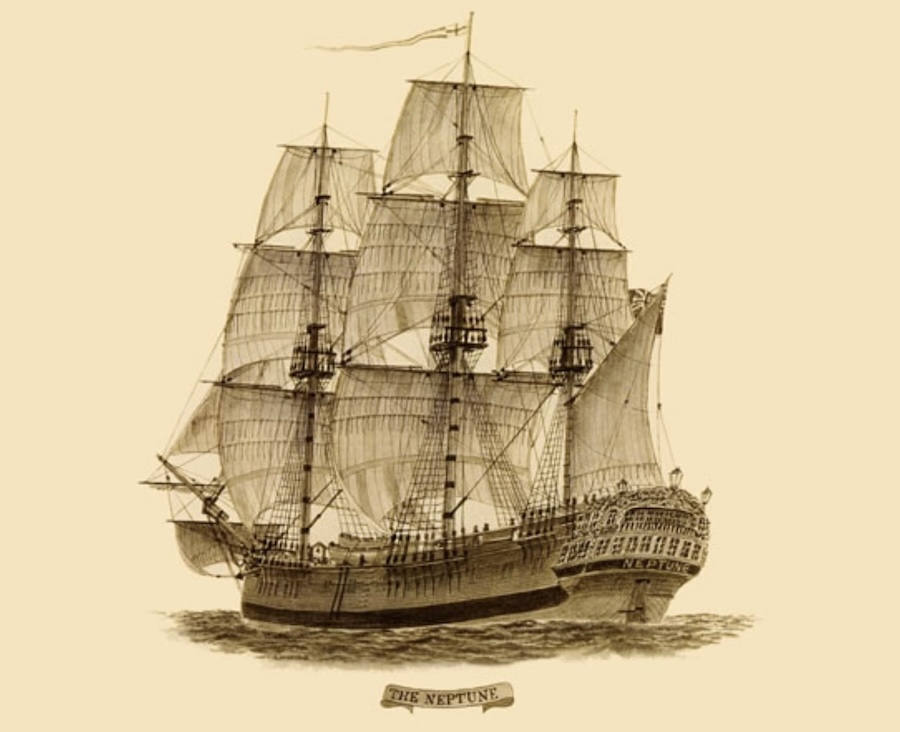
The Clyde had left Dublin in May 1838 for Australia with 216 male convicts, a military guard of 29 soldiers and two officers and included a group of three free settlers from Ireland. The convicts had been found guilty of a great variety of crimes: stealing, assault, picking pockets, manslaughter, highway robbery, house robbery, stealing sheep, coining (counterfeit money), perjury, arson, forgery, sacrilege, stealing firearms, riot and assault.
There were 41 teenage convicts, the youngest of whom was 13. Most of these teenagers were convicted of theft, from as little as handkerchiefs to a pig.
The ship’s surgeon, John Smith, kept a journal during the voyage. He said the convicts were mostly young and healthy, though by the time the ship approached South Africa, scurvy had begun to appear amongst the less healthy. Smith records one birth, which he says was difficult but ‘recovery was speedy and perfect.’ As all the convicts on the ship were male, it is possible the new mother was the wife of one of the soldiers. The medical records of the voyage list a number of soldiers’ wives (some 16% of all convicts transported were female).
The ship called in at Simon’s Town, near Cape Town, where it stayed for seven days, taking on supplies, including live sheep, and an additional 20 military convicts, including John Fahy. They were from a variety of regiments, at least one other from the 27th who was convicted of mutiny. This was James Curless from Co Tyrone, who had struck and threatened a sergeant and disobeyed a lieutenant in May 1837. 11 were Irish, all convicted of either mutiny or desertion. During the rest of the voyage, from 28th July to 10th September, Smith said the men were well behaved and encouraged to keep fit by dancing and marching to the tune of a flute. Chloride of lime was used to keep the decks clean and dry. By the time the ship arrived at Sydney, Australia, in September, Smith remarked that the men’s clothing was in a very bad condition. No deaths were recorded on the voyage though one man died shortly after arrival.
John was sent to a road building gang in northern New South Wales, building a road linking a wool producing area to the coast at Port Macquarie. On 20th April 1841, he was sentenced to eight days in the cells for assaulting a fellow prisoner. He escaped in November 1841 but was shot in the left knee and was recaptured. He carried three scars on his left knee from this wound. In December he absconded again and was sentenced to 50 lashes. He escaped again, finally, in April 1842. A description of him at the time referred to a tattoo, JF, on the inside lower right arm and the letter D (for desertion) on the left. Until 1871, branding/tattoo was a punishment in the army for desertion and designed to prevent the re-captured soldier from “bounty hunting” after completing his sentence. Bounty hunting was when a soldier re-enlisted in a different regiment and thus he claimed again the quite generous bounty for joining up. There was a special implement for impressing the mark which pierced the skin and then a paste of indigo and Indian ink or gun powder was rubbed into the wound.

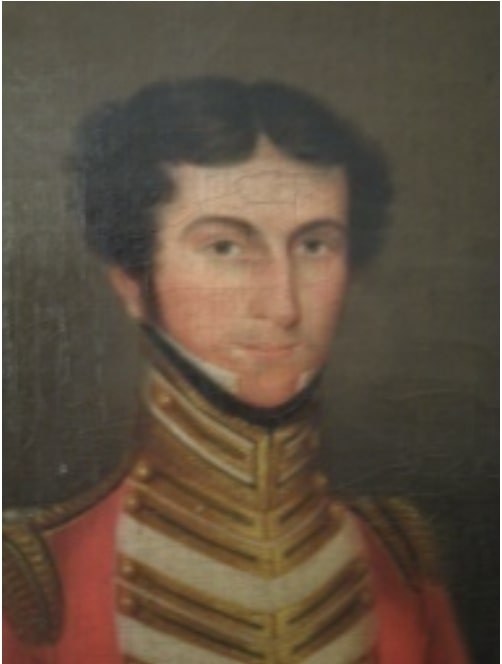
The road he worked on was called “Major’s Line”, after Major Archibald Clunes Innes. Clunes Innes, a Scotsman, had arrived in Australia in 1822, as a captain in the 3rd Regiment of Foot, in charge of a ship load of convicts. He eventually developed extensive commercial and pastoral interests in northern New South Wales. He had the use of over 80 convicts, mostly unskilled labour, but including some skilled workers, like brick-makers, carpenters and plasterers. On one occasion, when he was asked for better rations, he was reported as saying, “Go on with your work, I think a good flogging would do you more good than tea or sugar”. By the late 1830s he was one of the richest men in New South Wales.
John joined one of many groups of settlers travelling further north into Queensland to farming lands. There he joined an aboriginal tribe called the Wakka Wakka. He had redish/brown hair, which was considered sacred among Aboriginal people. He was adopted by the tribe who scarred his body with their tribal marks and was known as Gilburri, which in the local language means dead and reborn. The area the tribe occupied is known today as Wide Bay, which is north of Brisbane.
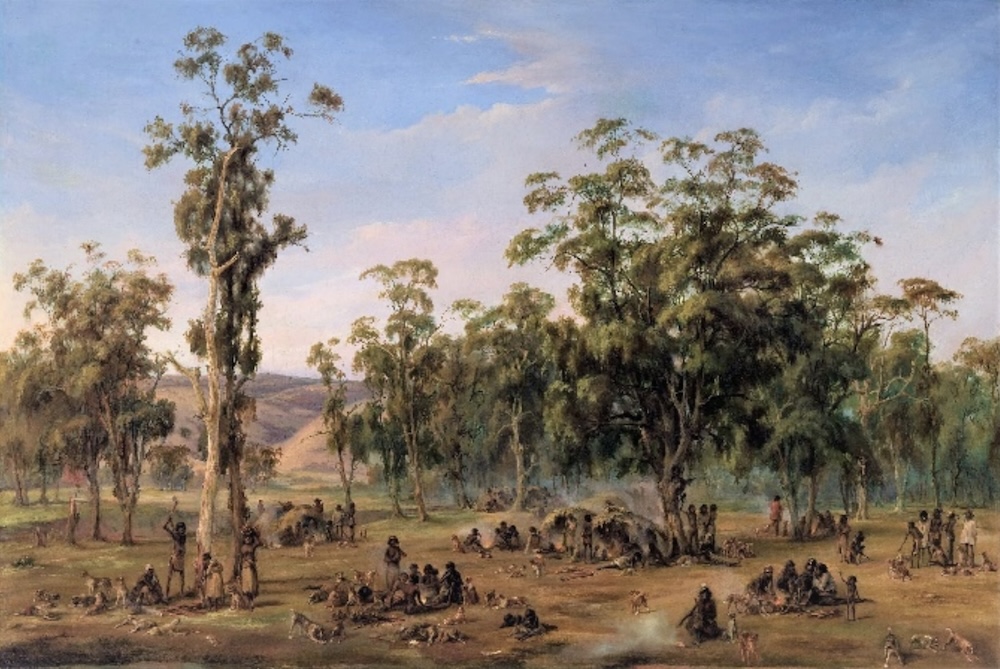
There were a number of sightings of John. He was seen as dangerous to white settlers because of his military training. In 1844, an expedition into the area came across John as did another one in 1852. This expedition’s leader urged John to hand himself in otherwise the Native Police would be sent after him. John was described as being “a tall and powerful man without clothing”.
In 1854, a contingent of native police led by Lt John Bligh, captured John and brought him to Brisbane.

It was reported that he had been difficult to track as his women would cover his foot prints. When in the custody of the constabulary, it was found John had lost his ability to speak English and did not speak English for two days. (it is most probable that, considering where he came from, English was not his first language).
John spoke most favourably about the aboriginal people, their truthfulness and honesty, their fondness for their children, their respect and veneration for their old people, and their politeness and kindness to each other.
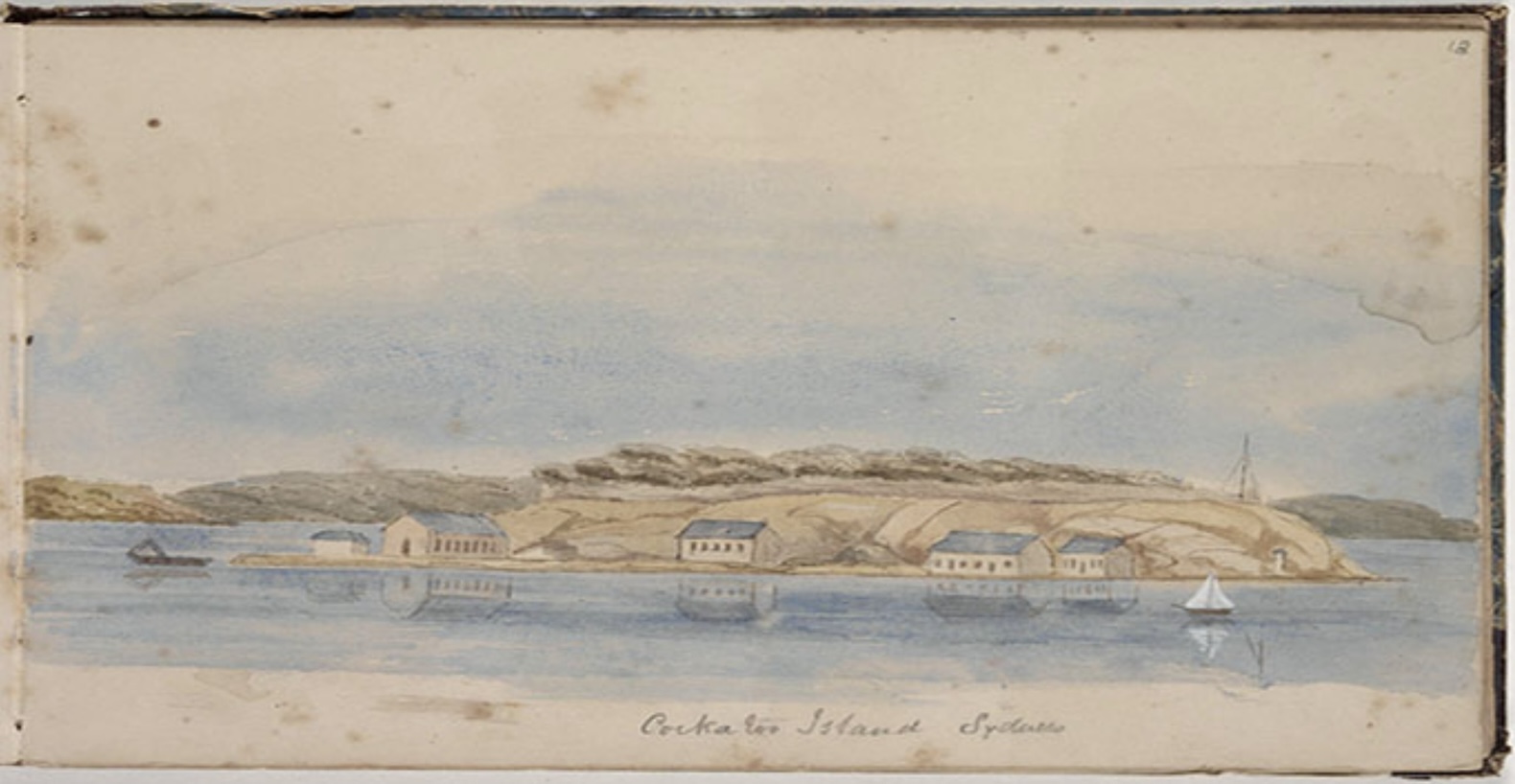
John was sent back to Sydney where he was sentenced for his escape in 1842 to 12 months hard labour in irons. He was imprisoned on Cockatoo Island in Sydney Harbour. His leg irons were removed after a short time.
From there he was taken on a number of surveying expeditions near Sydney where his bush craft was an asset. In 1855, a major expedition was being organised to explore in the Northern Territory. Its organiser, Augustus Gregory, and the Governor of New South Wales petitioned London for a conditional pardon for John if he would join the expedition as a stockman and bush guide. Gregory suggested that John be paid less than the other stockmen, presumably because he was still a convict. In London, Herman Merivale, Permanent Under Secretary for the Colonies, and Viscount Hardinge the Commander in Chief of the Army, approved the request.
John travelled with this expedition of 19 men, led by Augustus Gregory, through the interior of northern Australia.

Augustus Gregory was born in England, and his family emigrated to Australia in 1829. Between 1846 and 1858 he led four major exploratory expeditions in Western, Northern and Eastern Australia. He became surveyor-general of Queensland, a member of the Queensland Legislative Council and was knighted in 1903.
John is referred to a couple of times in Gregory’s account of the expedition e.g. “April 5 1856, Fahey obtained a large quantity of mussels from pools in the creek, and they proved an excellent addition to our supper, though rather deficient in flavour.”
In 1857, after a satisfactory report from Gregory, John received a pardon from the Governor of New South Wales, William Denison, on condition that he did not return to Ireland or England.
In the 1860s, along with his brother, he earned a living as a sheep shearer in southern Queensland.
After this, he disappears from view and because there are a number of John Fahy/Faheys in Queensland and New South Wales, it is impossible to identify our John Fahy.

**Credit: With thanks to Frank Uhr of Brisbane, Australia, who first drew our attention to the adventures of John Fahy.**
The Inniskillings Museum,
The Castle,
Enniskillen,
BT74 7HL, UK
Find Us: Google Map
Telephone: 0044 (0) 28 6632 3142
Monday – Friday
10am–5pm
Saturday
11am–5pm
Sunday (June – Sept)
11am–5pm
Copyright © 2023 The Inniskillings Museum | site by Derek
